

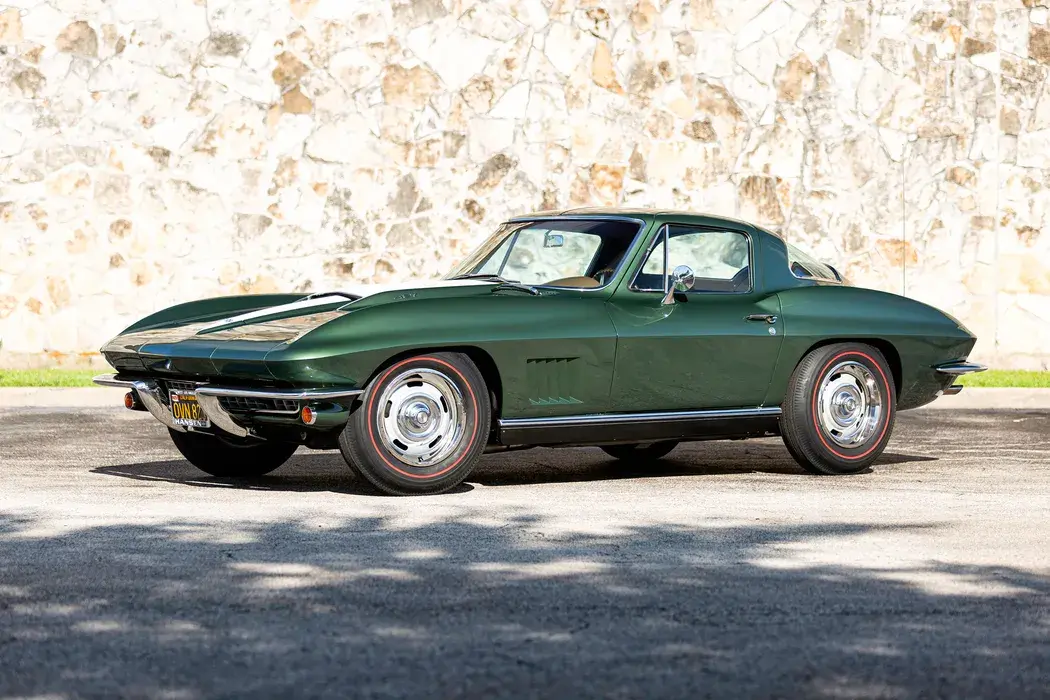
Selling a luxury or vintage collector car for maximum value requires the right strategy, strong presentation, and a clear understanding of the market. A vehicle’s value is influenced by rarity, originality, provenance, documentation, condition, and current buyer demand, not age and mileage alone.
That is why selecting the right selling platform is so important. Auctions, marketplaces, and private sales can each influence buyer interest, competition, visibility, and final sale price in different ways. This guide compares the key advantages and limitations of each option to help sellers make informed decisions and position their collector car for stronger results.
Why Collector Cars Require a Different Selling Approach
A collector car is more than a standard used vehicle. It is often a financial asset with historical, cultural, or enthusiast value. Unlike mainstream vehicles, collector car values are influenced by factors such as:
- Originality and matching-numbers components
- Ownership and service history
- Production rarity
- Historical significance
- Restoration quality
- Market demand among enthusiasts and collectors
As these variables change from car to car, accurate collector car pricing requires more than standard valuation methods.
Establishing the Right Value Before You Sell
Before you sell a collector car, it is important to understand its realistic market value.
Many sellers overprice their vehicle because of emotional attachment or underprice it because they lack a clear understanding of current collector demand. Both mistakes can reduce the likelihood of a successful sale.
To establish a more accurate valuation:
- Review recent sales of comparable vehicles rather than current asking prices.
- Consider the vehicle’s originality and documentation.
- Evaluate condition honestly.
- Consult collector-car specialists when appropriate.
- Obtain a professional appraisal for rare or high-value vehicles.
Proper valuation creates a stronger foundation for selecting the right sales strategy.
Auction, Marketplace, or Private Sale: Understanding Your Options
The best sales channel depends on your vehicle, timeline, and objectives.
Online Collector-Car Auctions
Online collector-car auctions are often one of the most effective ways to sell rare, desirable, or well-documented vehicles. No-reserve auctions, in particular, can create real competition by encouraging multiple bidders to pursue the same car. When buyer interest is strong and supply is limited, that competition can help push the final sale price higher.
Advantages include:
- Global exposure to qualified buyers
- Competitive bidding environment
- Transparent market pricing
- Access to serious collectors
Potential considerations:
- Auction fees may apply
- Final prices are not guaranteed
- Success depends on presentation and bidder engagement
For extremely rare and well-maintained collector vehicles, auctions can often deliver strong market visibility and attract buyers who understand the vehicle’s significance.
Enthusiast Marketplaces and Collector Communities
Specialized marketplaces and collector communities connect sellers directly with buyers who already appreciate a specific marque, model, or vehicle category. These platforms often attract knowledgeable enthusiasts seeking particular vehicles.
Benefits include:
- Targeted audience
- Direct communication with buyers
- Greater control over pricing
- Strong engagement from model-specific communities
Challenges may include:
- Longer selling timelines
- Greater seller involvement
- Independent negotiation and transaction management
For niche collector vehicles, enthusiast marketplaces can be highly effective because buyers already understand the vehicle’s value proposition.
Private Sale
Private sales remain an option for sellers who have an established network or are willing to manage the process independently. This approach allows greater control over negotiations and timing.
Advantages include:
- No auction pressure
- Direct negotiation
- Potentially lower transaction costs
However, private sales often require:
- Buyer screening
- Marketing efforts
- Documentation management
- Payment coordination
- Transportation logistics
Private sales can work well for patient sellers but typically demand more time and effort.
What Serious Buyers Expect Before Making an Offer
Regardless of the sales channel, presentation significantly influences value. Collector-car buyers are highly detail-oriented and often conduct extensive research before committing to a purchase. That is why sellers should prepare the following before listing or presenting the vehicle:
Comprehensive Documentation
Documentation builds trust and reduces uncertainty. When a car comes with a clear paper trail, buyers can verify its history instead of relying on the seller’s word alone. Important records include:
- Service history — Regular maintenance records show how consistently the car was cared for over the years, helping buyers gauge mechanical condition and spot any recurring issues early.
- Ownership records: Documented ownership records confirm the car’s background, reduce the risk of title disputes, and may add value when previous owners are notable collectors.
- Restoration receipts: Detailed invoices from past restoration work reveal which parts were replaced, what techniques were used, and whether the work was done to a professional, period-correct standard.
- Factory documentation: Original paperwork from the manufacturer confirms how the car was specified and built, giving buyers confidence that it matches its claimed configuration and history.
- Build sheets and window stickers: These original factory records list the exact options, colors, and equipment the car left the factory with, making it easier to confirm authenticity.
- Certification records where available: Independent certification, such as Ferrari Classiche, verifies that key components are original or correct, adding a trusted layer of authentication beyond the seller’s claims.
High-Quality Photography
Professional photography remains one of the most important marketing tools in online collector-car sales. Buyers expect detailed images of:
- Exterior
- Interior
- Engine bay
- Undercarriage
- Wheels and tires
- Any imperfections
Thorough visual documentation often increases bidder confidence and engagement.
Honest Vehicle Descriptions
Transparency supports stronger buyer confidence. Disclosing known flaws, repairs, modifications, and maintenance history upfront helps establish credibility and reduces the likelihood of disputes later in the process.
Why Auction Strategy Matters
For sellers considering an auction, choosing the right format is equally important. At Sotheby’s Motorsport, sellers can choose between:
No-Reserve Auctions
In a no-reserve auction, the car sells to the highest bidder regardless of the final bid amount. This format offers several benefits:
Increased bidder participation: Buyers know the car will sell, so they may be more willing to engage early and bid actively instead of waiting for a reserve to be met.
Greater urgency: Because there is no hidden minimum to clear, bidders feel added pressure to act before the auction closes, which can help encourage more decisive bidding.
Strong market visibility: No-reserve listings tend to attract more attention and traffic, since buyers are drawn to the certainty of a guaranteed sale and the opportunity to bid without an undisclosed price barrier.
However, sellers take on pricing risk with this format. If bidder turnout is weak or demand falls short on auction day, the car could sell for less than the seller hoped or expected.
Reserve Price Auctions
A reserve auction lets sellers set a confidential minimum price that bidding must reach before the car can be sold. This approach offers its own set of advantages:
Value protection: The reserve acts as a safety net, ensuring the seller is not required to sell the car below an agreed minimum price.
Greater pricing control: Sellers retain more influence over the outcome, since they can set a minimum acceptable value before the auction begins.
Reduced downside risk: Because the car will not sell below the agreed threshold, sellers are protected from a disappointing result caused by low turnout or a slower auction day.
If bidding does not reach the reserve, the car remains unsold, and the seller may retain the option to keep negotiating directly with interested bidders afterward. The right format ultimately depends on a combination of factors, including vehicle demand, rarity, desirability, seller timeline, and pricing expectations.
How Sotheby’s Motorsport Supports Collector-Car Sellers
After selecting the right sales strategy, platform choice becomes increasingly important. Sotheby’s Motorsport is an online auction platform that supports sellers of luxury, exotic, and collector vehicles through a structured auction process.
Seller support includes:
- Dedicated Auction Specialist guidance
- Professional listing creation
- High-quality photography coordination
- Reserve and no-reserve auction options
- Seller education and auction resources
- Real-time auction participation tools
- Post-auction transaction support
- Buyer communication assistance
- Vehicle pickup coordination
This approach helps sellers present their vehicles professionally while maintaining transparency throughout the transaction process.
Final Words
Successfully choosing the right way to sell collector car comes down to preparation, realistic pricing, and selecting the most appropriate sales channel. Auctions can create competitive bidding, enthusiast marketplaces connect sellers with knowledgeable buyers, and private sales offer greater control.
Regardless of the chosen platform, strong documentation, professional presentation, and transparency remain essential. With the right strategy and support, sellers can approach the collector-car market with greater confidence and position their vehicle for its strongest possible outcome.
Frequently asked questions
1. What is the best way to sell a collector car for maximum value?
The best option depends on the vehicle and market demand. Rare, desirable cars often perform well at auction, while niche models may benefit from enthusiast marketplaces or carefully managed private sales.
2. Should I choose a reserve or no-reserve auction when selling a collector car?
Reserve auctions provide value protection through a confidential minimum price, while no-reserve auctions encourage stronger bidder participation. The right choice depends on your pricing goals and market confidence.
3. How important is documentation when selling a collector car?
Documentation is often critical. Service records, ownership history, restoration receipts, factory paperwork, and certifications help build buyer confidence and may support stronger valuations during the sales process.
4. Can professional photography really increase buyer interest?
Yes. High-quality photography helps buyers evaluate condition, originality, and presentation. Detailed images of the exterior, interior, engine bay, and documentation often improve engagement and may support stronger bidding activity.
5. How does Sotheby’s Motorsport support sellers throughout the auction process?
Sotheby’s Motorsport provides Auction Specialist guidance, listing creation, photography coordination, auction management, bidder engagement support, and post-auction transaction assistance to help sellers navigate the process confidently.