

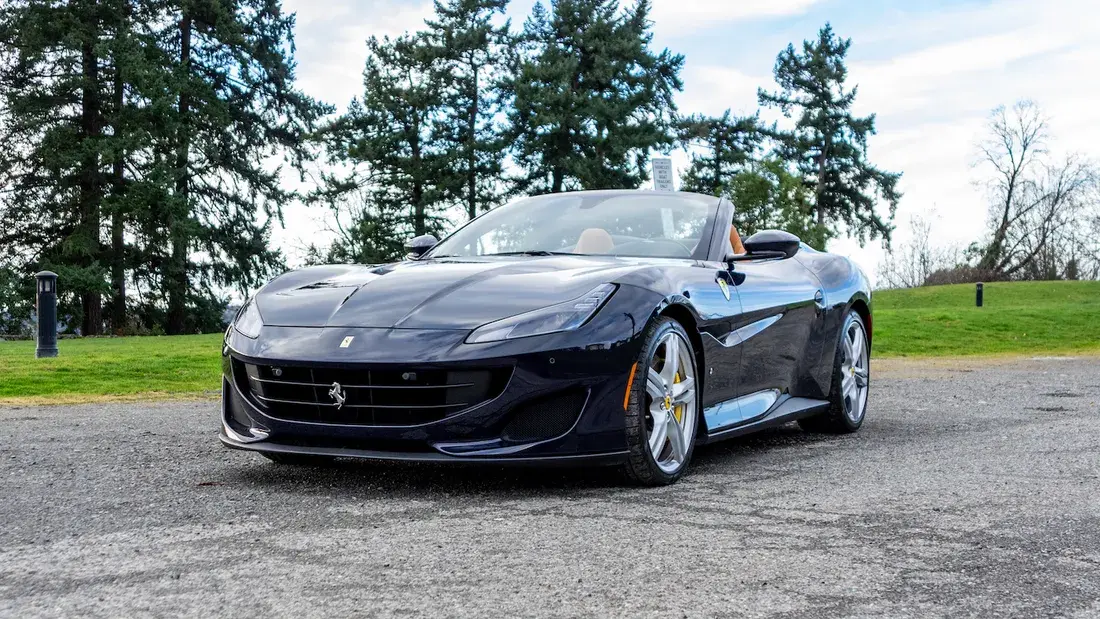
The collector car market has evolved from a hobby-driven space into a more sophisticated, investment-grade ecosystem. However, only a handful of marques have maintained lasting relevance throughout that evolution, and Ferrari remains one of the most notable examples.
A classic Ferrari car continues to attract extraordinary attention from collectors, enthusiasts, and investors worldwide. This demand is driven by a unique combination of rarity, racing heritage, engineering significance, provenance, and authenticity. Together, these factors help explain why classic Ferrari cars remain among the most valuable collector vehicles in the world.
What Makes Classic Ferrari Cars So Valuable?
At the simplest level, the value of a classic Ferrari car extends far beyond its chassis and performance. Collectors often view these vehicles as important pieces of automotive history and Ferrari’s broader brand legacy. Several factors consistently influence long-term collector demand, including:
- Limited production numbers
- Motorsport pedigree
- Documented ownership history
- Engineering innovation
- Originality and condition
- Factory certification and documentation
- Cultural and historical significance
Racing Heritage: Ferrari’s Competitive Foundation
The Ferrari name carries a legacy that remains deeply connected to the world of motorsport. From endurance racing to Formula 1, many of Ferrari’s most celebrated road cars were developed from technologies and engineering principles proven on the track.
This connection matters to collectors who value what a vehicle represents within Ferrari’s broader performance history. Models such as the Ferrari 458 Spider, Ferrari F8 Tributo, and Ferrari 812 GTS reflect Ferrari’s continued focus on performance, exclusivity, and engineering significance, while historically important competition-linked models carry added appeal for their direct connection to Ferrari’s racing legacy.
Cars with documented competition history often attract stronger bidder interest because they offer:
- Proven motorsport significance
- Historical relevance
- Greater collector prestige
- Stronger provenance
For serious collectors, racing pedigree can transform a vehicle from a desirable classic into a documented piece of Ferrari’s motorsport history.
Why Rarity Plays Such a Critical Role
Scarcity is one of the strongest drivers of collector value.
Many highly sought-after Ferraris were produced in extremely limited numbers due to racing regulations, homologation requirements, or Ferrari’s commitment to exclusivity. That limited supply has helped strengthen collector desirability and global demand, making rarity a major contributor to Ferrari’s long-term appeal.
Collectors often pay close attention to:
- Total production numbers
- Surviving examples
- Special editions
- Competition variants
- Factory modifications
However, rarity alone is not enough. The most valuable classic Ferrari cars typically combine scarcity with strong provenance and meaningful engineering significance.
Provenance: The Power of Documented History
In the collector car world, provenance refers to a vehicle’s ownership and historical record.
A Ferrari that can be linked to notable drivers, racing teams, collectors, or significant events may carry additional value because its story can be clearly documented and verified. Provenance provides context and authenticity, helping collectors understand where a vehicle fits within Ferrari’s broader legacy.
Strong provenance may include:
- Original ownership records
- Competition results
- Historic event participation
- Factory documentation
- Long-term collector ownership
For bidders evaluating a high-value Ferrari, documented history becomes an important layer of assurance, supporting confidence in both the vehicle and its long-term collector value.
Engineering Innovation and Historical Importance
Certain Ferraris become highly collectible because they represent major technological milestones for the brand.
Throughout its history, Ferrari has introduced vehicles that redefined performance, materials, aerodynamics, and engineering philosophy. Models such as the 288 GTO, F40, F50, and LaFerrari demonstrate how innovation can contribute to long-term collector appeal.
Collectors often gravitate toward Ferraris that:
- Introduced new technologies
- Marked significant design shifts
- Represented engineering breakthroughs
- Influenced future Ferrari models
These innovations serve as milestones within Ferrari’s evolution, making them particularly desirable for collectors building historically meaningful Ferrari collections.
Originality and Condition Matter
Even historically important Ferraris must retain a high degree of originality to achieve premium market values. Collectors carefully evaluate whether a vehicle retains its:
- Matching-numbers engine
- Original gearbox
- Factory chassis
- Correct coachwork
- Authentic specifications
Condition also plays a crucial role. Well-documented restorations performed by respected specialists generally support long-term value, while undocumented modifications can reduce bidder confidence. Originality provides reassurance that the vehicle remains an authentic representation of how it left the factory.
The Growing Importance of Ferrari Classiche Certification
As the collector market becomes increasingly sophisticated, authentication has become more important than ever.
Ferrari Classiche certification verifies whether major vehicle components align with Ferrari’s original factory records. For collectors, this certification provides an additional layer of confidence regarding originality and authenticity.
Certification helps support:
- Authenticity verification
- Documentation quality
- Buyer confidence
- Market transparency
Why Platform Choice Matters for Collectors
As demand for rare Ferraris continues to grow, the way collectors buy and sell these vehicles has evolved as well. Success in the collector market depends on more than identifying the right car. Buyers must carefully evaluate vehicle descriptions, ownership history, documentation, photographs, service records, and market pricing before participating in any auction.
This is where a structured, transparent auction platform becomes valuable. Sotheby’s Motorsport supports serious collectors and bidders with access to:
- Detailed vehicle listings
- Documentation review opportunities
- Transparent auction formats
- Buyer education resources
- Financing assistance when needed
- Transaction support after the auction
- Title and ownership documentation guidance
- Logistics and transportation coordination
While vehicles are offered “As Is, Where Is,” collectors can make more informed decisions through preparation, due diligence, and access to comprehensive vehicle information.
Final Thoughts
The enduring appeal of classic Ferrari cars comes from a combination of rarity, motorsport heritage, engineering innovation, provenance, and authenticity. These elements have helped certain Ferraris become some of the most valuable collector vehicles ever produced.
For collectors navigating this highly specialized market, careful research, detailed evaluation, and a trusted auction environment remain essential. Sotheby’s Motorsport helps support that process through transparency, documentation, and expert transaction guidance designed for serious automotive enthusiasts.
Frequently asked questions
1. Why are classic Ferrari cars considered valuable collector assets?
Classic Ferrari cars combine limited production, motorsport heritage, engineering significance, and documented provenance. When originality and authenticity are preserved, these factors often create strong collector demand and long-term market desirability.
2. Does racing history increase the value of a classic Ferrari?
Yes. Ferraris with documented competition success often command greater collector interest because they represent important moments in motorsport history. Racing pedigree adds historical significance and can strengthen overall market value.
3. What should bidders review before purchasing a classic Ferrari at auction?
Bidders should carefully evaluate the vehicle description, ownership history, service records, photographs, videos, documentation, and market pricing. Thorough due diligence helps support more confident bidding decisions and reduces uncertainty.
4. How does Ferrari Classiche certification affect collector interest?
Ferrari Classiche certification helps verify originality by confirming key components match factory records. This additional level of authentication strengthens buyer confidence and supports more transparent vehicle evaluation.
5. How does Sotheby’s Motorsport support buyers interested in Classic Ferrari Cars?
Sotheby’s Motorsport provides detailed listings, transparent bidding, transaction support, financing assistance, documentation guidance, and logistics coordination, helping collectors participate in high-value vehicle auctions with greater confidence.